The Internet of Nature: Decoding Cities with Dr. Nadina Galle
In the curation of spaces, whether for hospitality, creative exchange, or urban living, one question is central: how do environments shape our human behaviour before we consciously understand what is happening?
Orientation occurs at the level of the body, long before it becomes language or concept. We think we are “choosing” to relax or “deciding” to let our guard down, but usually, our physiology has already made the call.
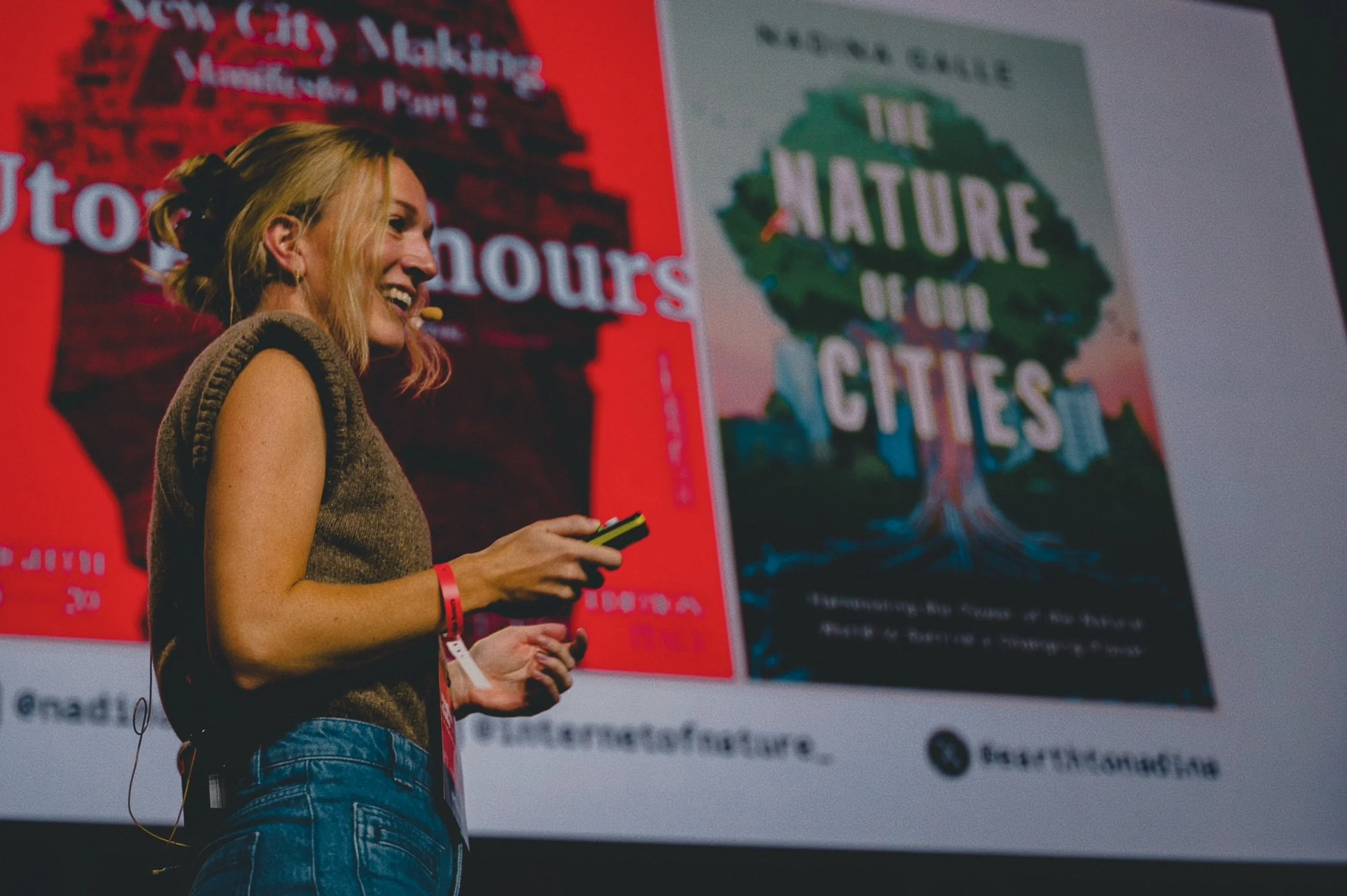
The work of Dr. Nadina Galle, operating at the intersection of ecology, technology, and urban systems, gives this process a clear frame. In her research and in her book The Nature of Our Cities, she examines how living systems - tree canopies, soil health, biodiversity - function as active information within urban environments, shaping behaviour, health, and equity.
The Biological Handshake
When entering an ecologically alive environment, studies show that something in our physiology starts to shift. The physical tension common to urban settings eases; posture softens, speech slows, interactions take on a different cadence. Even those who would not describe themselves as particularly drawn to nature tend to remain longer and move with greater ease.
“People don’t need to be told that a place is biodiverse or well-designed; they feel it,” Galle observes. “That tells me these responses are deeply ingrained - older than language or culture.”
This suggests that our response to “aliveness” is a form of primal aesthetic literacy. In spatial research, we frequently see this: a property may be visually lush, yet visitors describe it as sterile. They are sensing a lack of ecological complexity. Conversely, in sites where the wild edge hasn't been erased by over-maintenance, there is an immediate shift in the atmospheric charge. The presence of insects, birds, and unmanicured growth acts as a signal that the life-support systems are functioning.
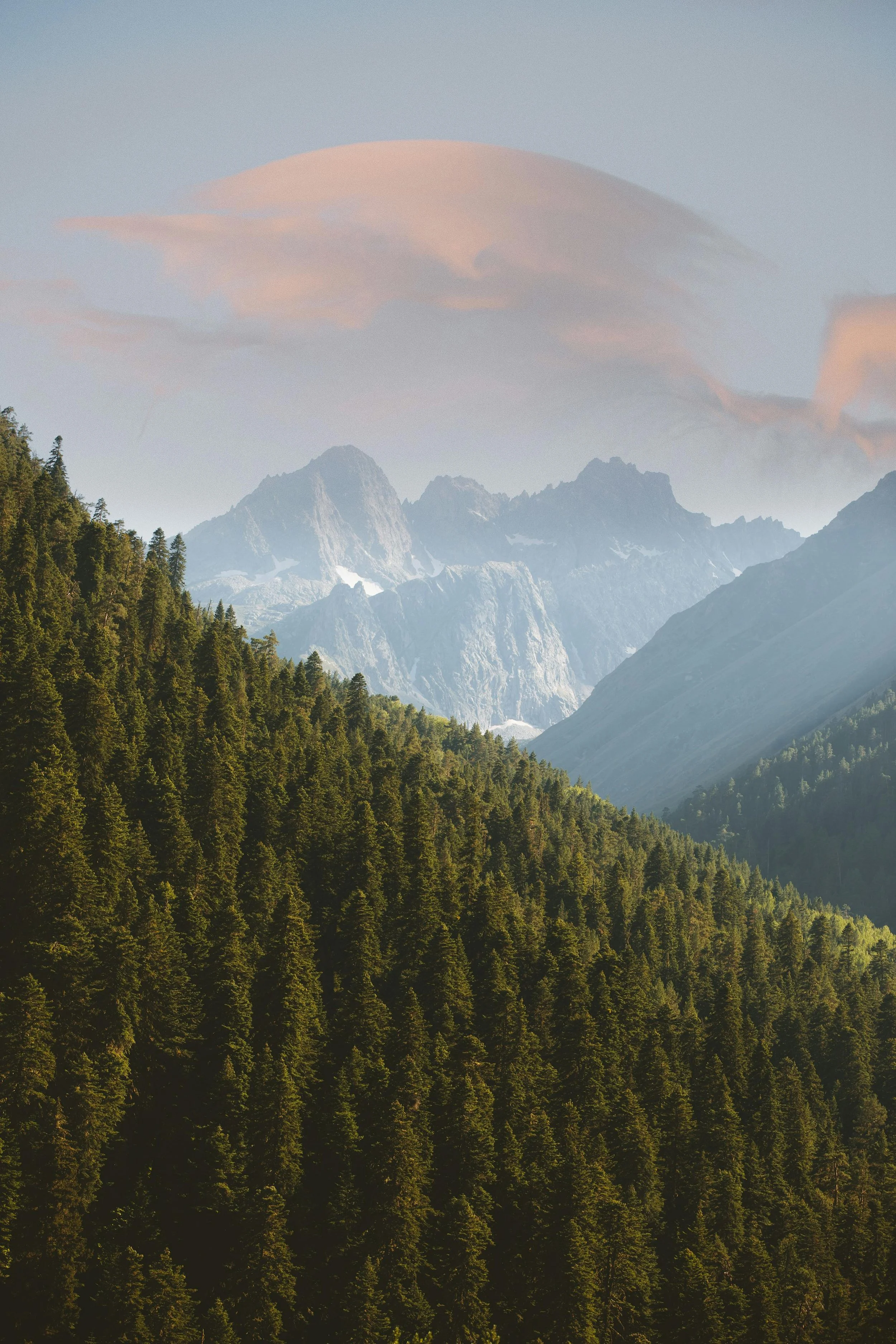
Galle identifies recurring cues that support this recalibration. Shade signals safety and physical regulation. Sound - particularly wind through leaves or birdsong - provides relief from the sharp acoustics of inert space. Smell registers habitability in ways that are rarely acknowledged but consistently felt. When these elements align, the body recognises the environment as one that allows recovery.
Early Experience
Aesthetic intelligence is often shaped early. Galle traces her own spatial orientation to growing up in a conventional North American suburb in Ontario, defined not by dramatic landscapes but by pockets of overlooked nature: an unburied creek, a strip of forest between developments, an informal trail formed through repeated use.
“Those small decisions - a developer choosing to keep a stand of trees - shape how people grow up and how connected they feel to the living world,” she notes.
Such early conditions establish a baseline for what later registers as supportive or hostile.
I recognise this pattern in my own experience. Growing up in close proximity to nature, with the freedom to move through it without instruction, shaped a lasting sense of orientation and a feeling of safety and home. Whereas environments dominated over 90% by concrete, exposure, and especially with an absence of shade feel much harder on the nervous system.
Reading Vitality as Spatial Signal
When Galle arrives in a new environment, she ignores the curated signage and notices the transitions, looking for vitality signals instead: Does water move naturally? Is there shade where the body intuitively wants it? Are there signs of life at the margins?
She also watches the inhabitants. Are people passing through quickly, or staying? Are they sitting, leaning, or wandering without a defined purpose? These behaviors are the ultimate data points for whether an environment is working.
The question is not whether a place looks green, but whether that green is performing. In modern development, we have become adept at applying nature as a "finish," but the body can sense when the system is missing. The mind might be satisfied by the visual of a tree, but the physiological self is looking for the cooling transpiration and the dampened acoustics - basically a 360° approach, a continuing system.
Making Patterns Visible
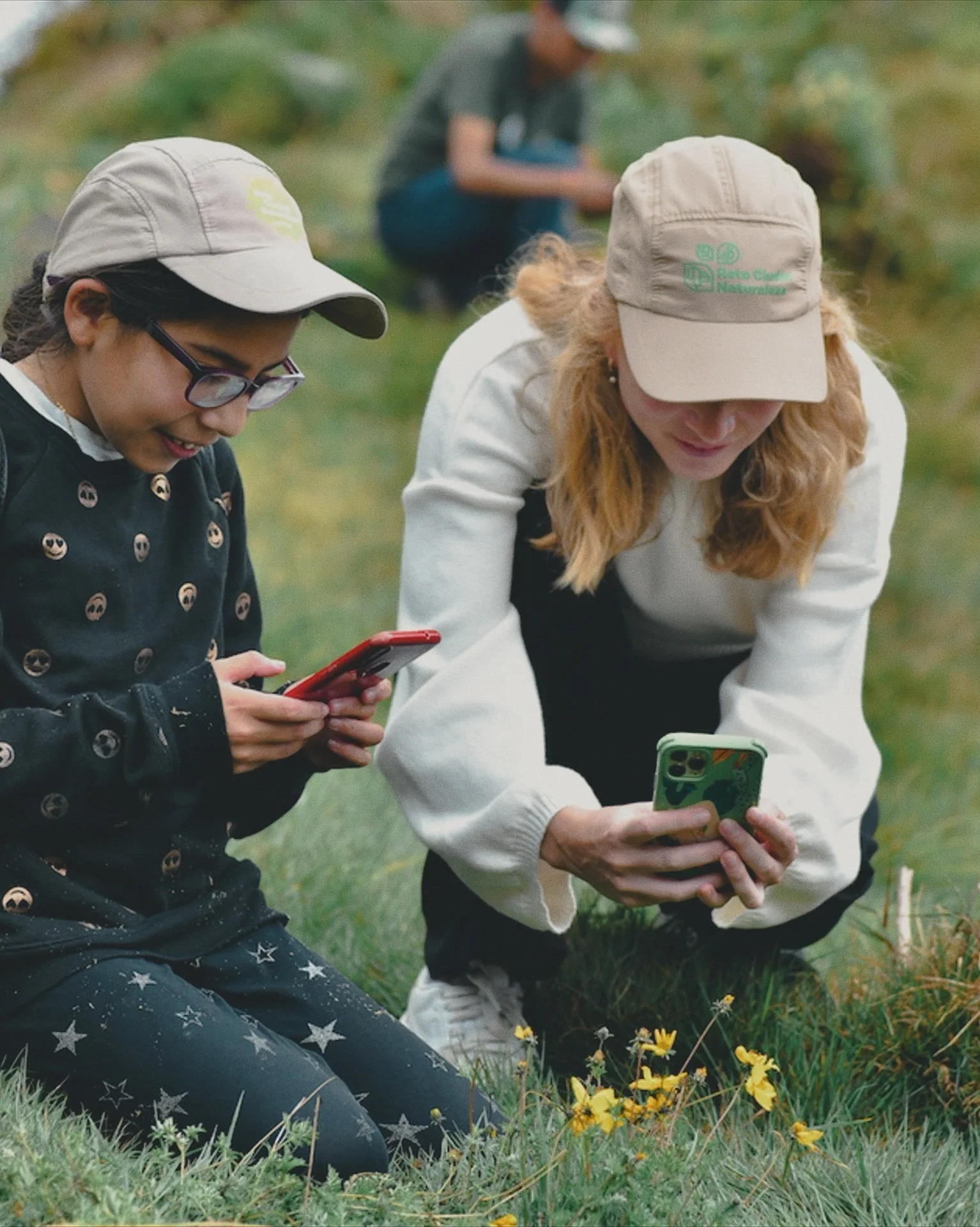
Galle’s work with the Internet of Nature (IoN) uses technology to make these intuitive patterns legible to industries that only value what they can quantify. When we walk through a city, we can feel that some neighborhoods are greener and more comfortable, but until it is mapped, that difference stays vague.
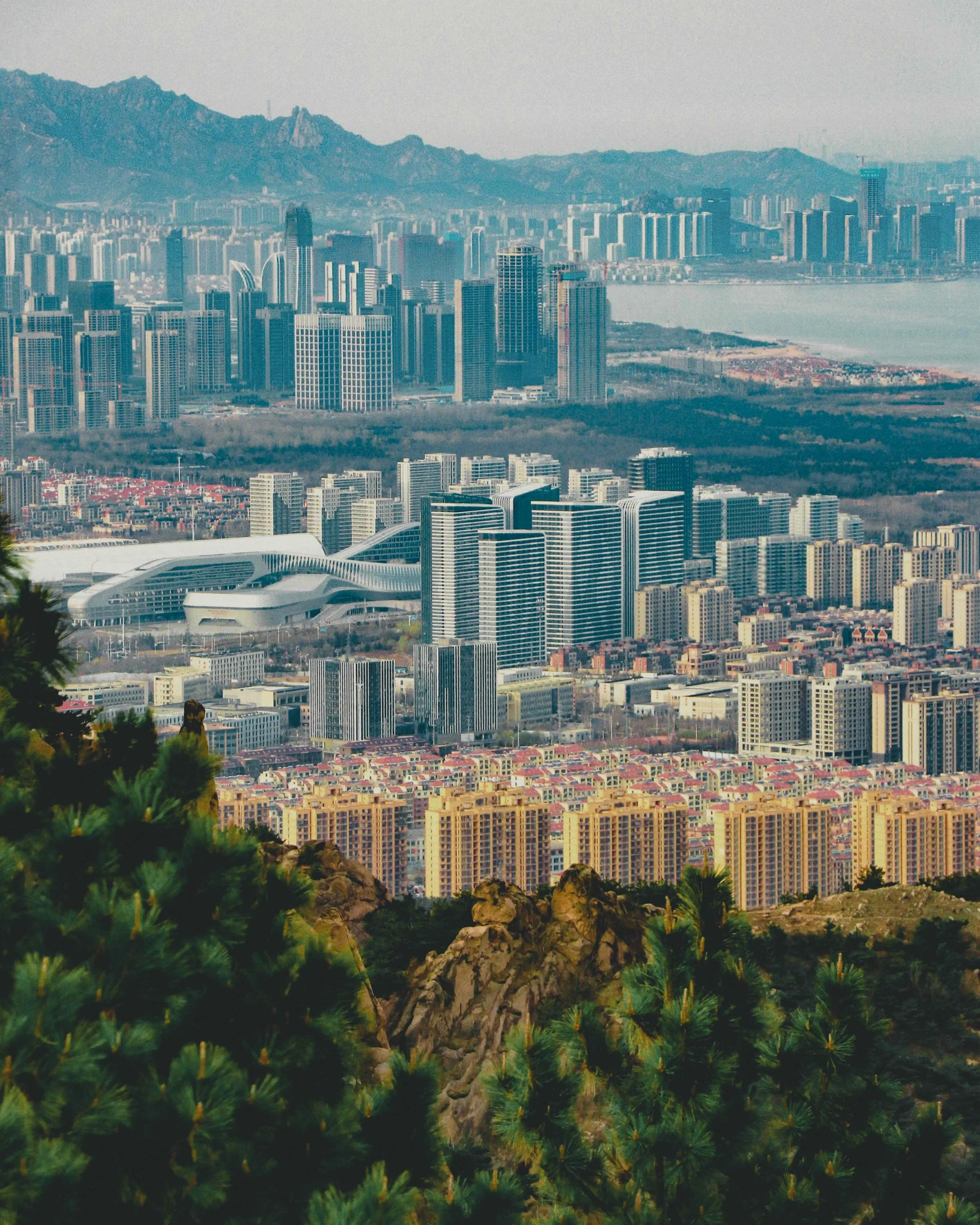
By creating detailed canopy maps or soil inventories, the inequality of experience becomes spatial and measurable. Entire neighborhoods emerge as nature-rich or nature-poor. This bridges the gap between the intuitive knowledge of the body and the systematic knowledge of policy.
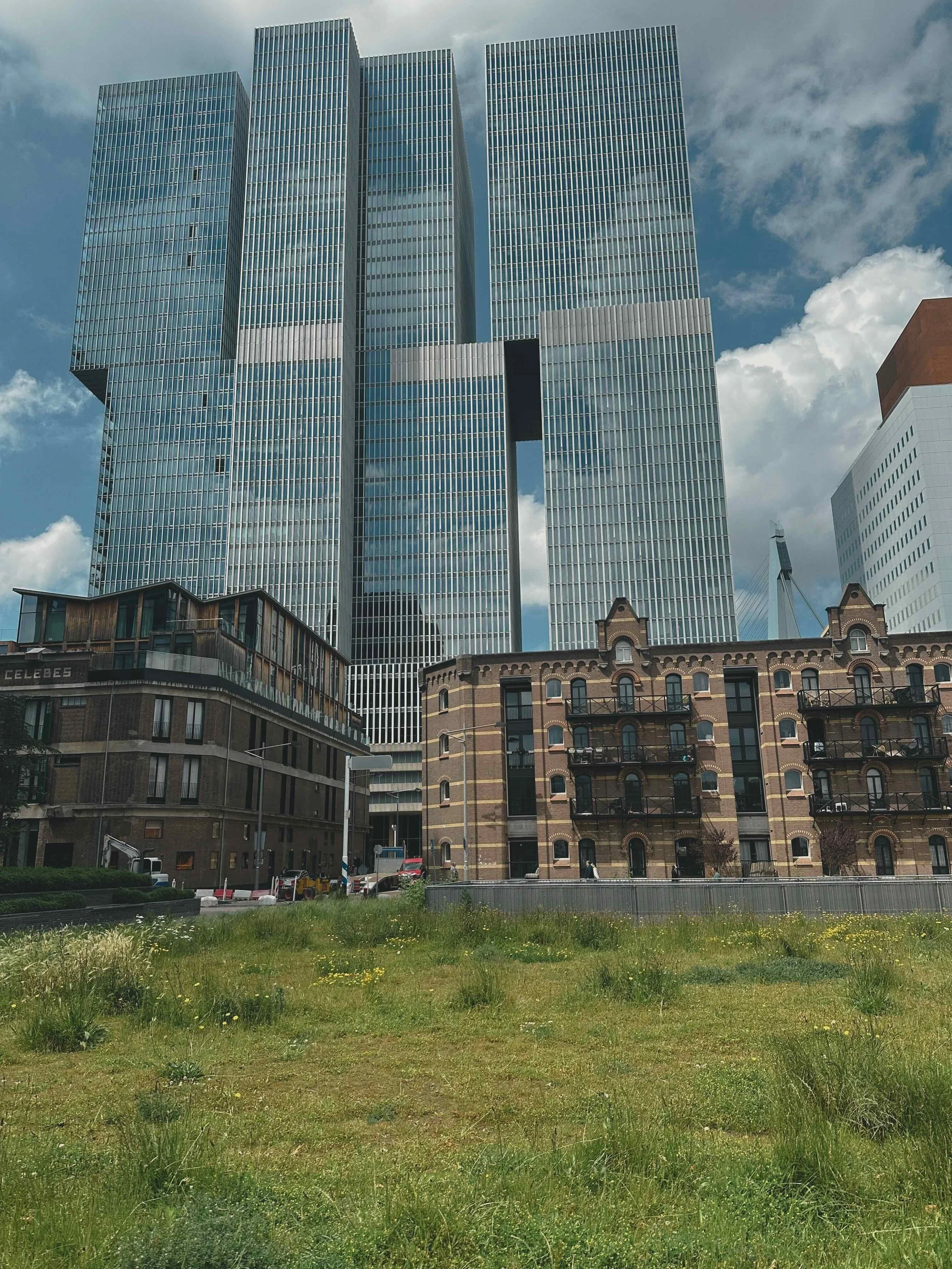
A significant blind spot in modern design is the "romanticization" of greenery and the assumption that any plant will do. Galle points to multi-million dollar developments in New York that are marketed as cutting-edge yet are ecologically dead "glass-and-steel" icons. Conversely, community-driven initiatives in Mexico City and Bogotá often show higher aesthetic and ecological intelligence despite fewer resources.
The distinction is whether nature is seen as infrastructure or scenery. When treated as infrastructure, an essential system for temperature regulation and cognitive health, the questions change. We stop asking if it "looks nice" and start asking if it is functioning. How does it grow? How is it cared for? What does it need to mature over decades?
Agency and Aesthetic Responsibility
Treating nature as a system with agency requires an understanding of succession, seasonality, and interdependence. This is where aesthetic intelligence and ecological intelligence become inseparable.
Recognizing that design doesn't stop at the ribbon-cutting, but continues as the system matures, requires a shift in ownership. This ripples outward into how people relate to the place they live. The evidence is clear: regular contact with functioning nature improves mental and physical outcomes. But for these effects to be durable, nature must be an integrated part of the everyday fabric, not an occasional luxury.
What gives hope is the shift in how people are rethinking their relationship with nature through everyday spaces: schools, hospitals, and workplaces. We are moving toward a realization that nature is not an "extra."
The biggest hurdle is scale. We are excellent at “hero" projects but struggle to embed these ideas systematically across cities. The intelligence Galle describes, the ability to read environments and sense vitality, develops through conscious attention. It comes from spending time in places where living systems are allowed to operate with complexity. When we prioritize this aliveness as a functional requirement rather than an aesthetic choice, we move toward a design language where the environment finally speaks the same language as the body.
words by Jean Linda Balke, photography Omar Torrico, Jean Linda Balke, Federico Masini