Grown, Not Sourced: Beauty from Origin in Tanzania
Longevity is everywhere: wellbeing has become one of the main pillars of hospitality, retail, food, travel, and design simultaneously.
“Clean” beauty arrived inside that wave as one of its most commercially successful expressions - a global industry now worth hundreds of billions, built on the premise that what we put on our bodies should be as carefully selected as what we put in them.
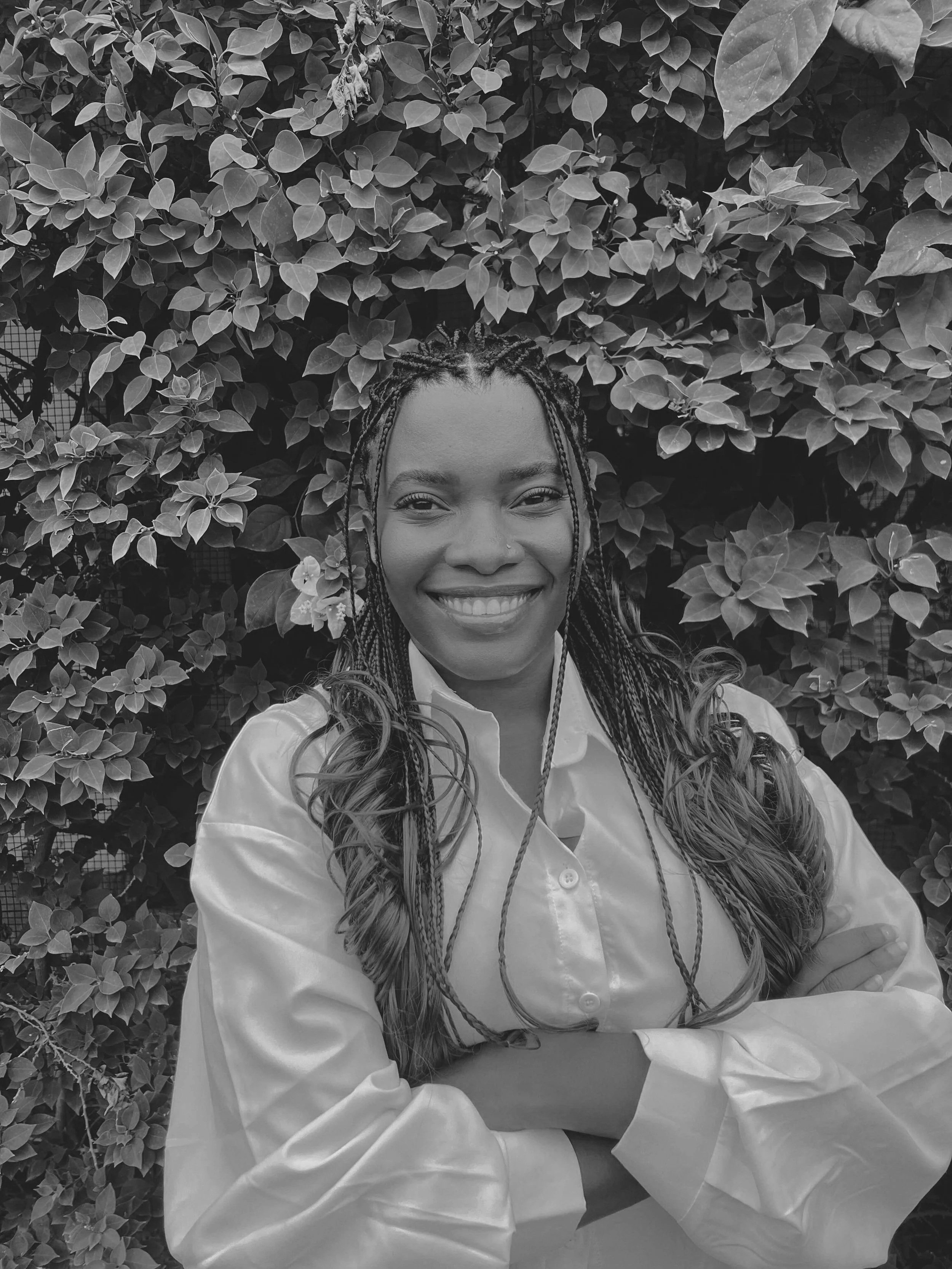
Sabrina Yegela, the founder of the Tanzanian enterprise Bantu Vegan, is currently testing the limits of this. She represents a shift from clean beauty as a Western trend to beauty as an act of domestic authorship.
Across the African continent, and in Tanzania specifically, women have sourced ingredients directly for generations: coconut oil bought whole, shea butter unprocessed, preparations made at home and calibrated to local skin, local climate, local need, Sabrina tells me.
What the clean beauty industry has done is extract its commercial factor from exactly this kind of domestic intelligence, repackage it inside a Western wellness language, and sell it back to the markets that developed it.
As Yegela describes it:
"A lot of food just gets sent as raw materials out into the Global North. We get to buy things back, overprocessed, more expensive, less healthy."
She is now building a supply chain designed to keep that authority exactly where it originates from.
The Preference Is Sensory
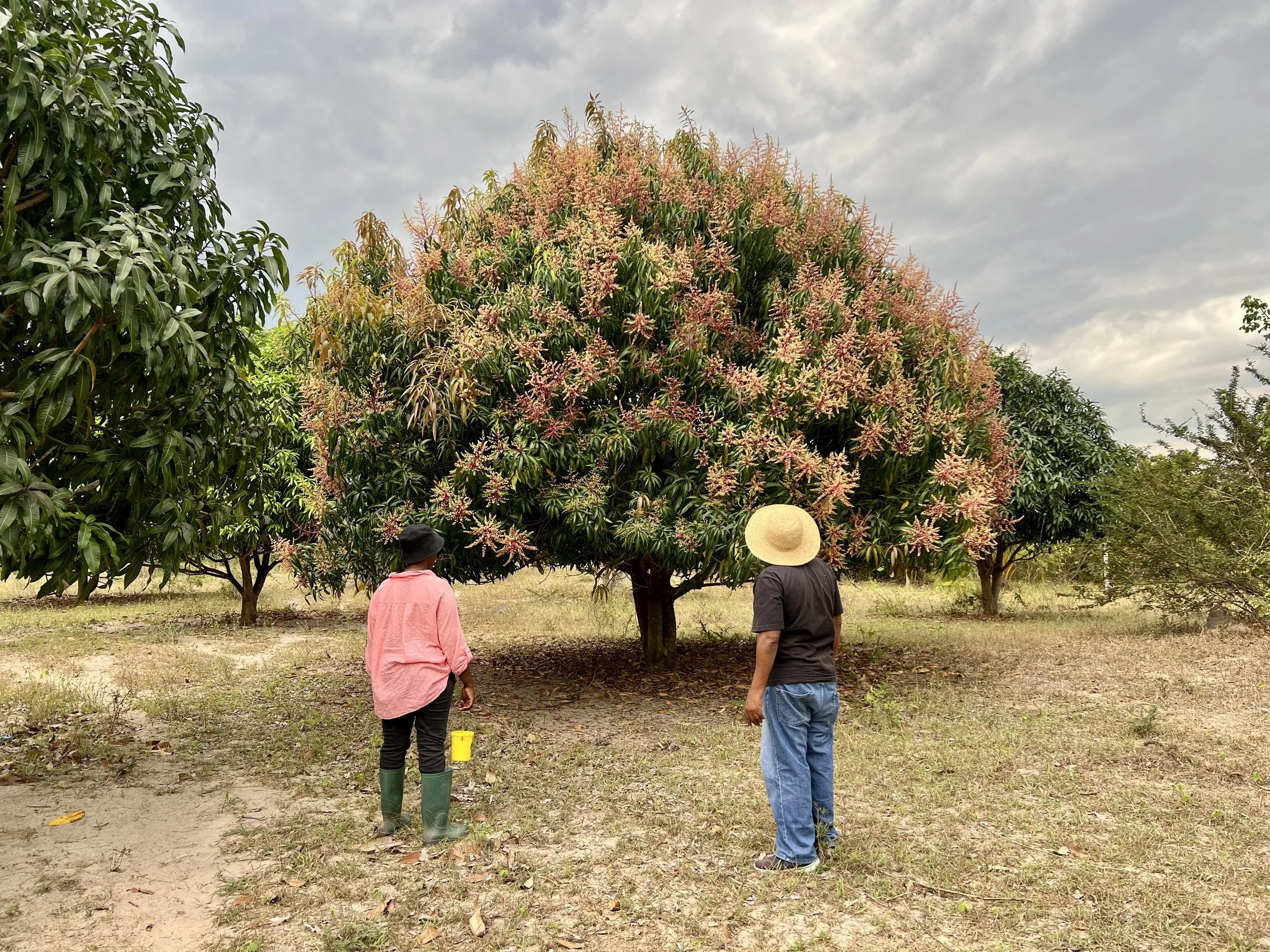
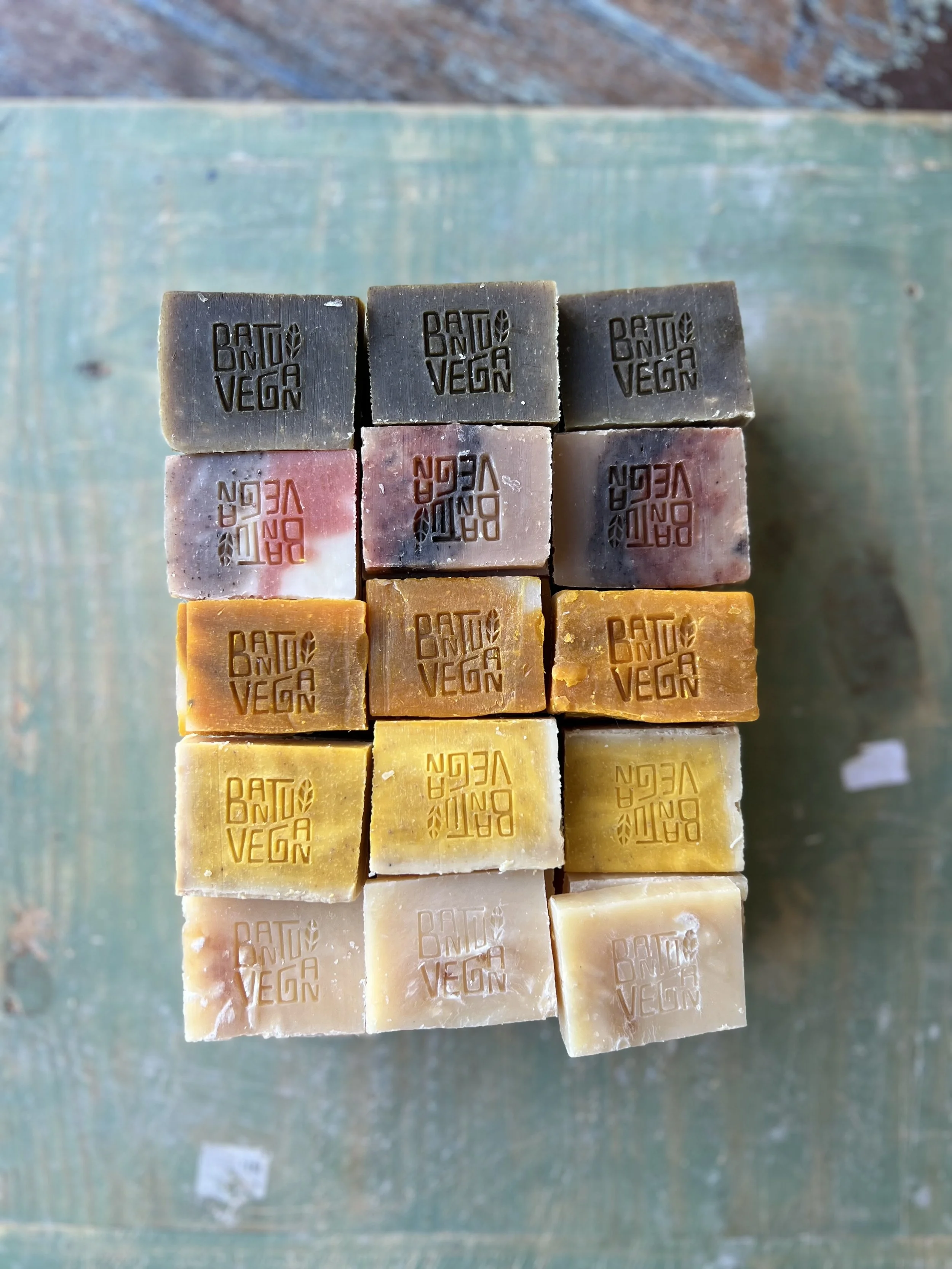
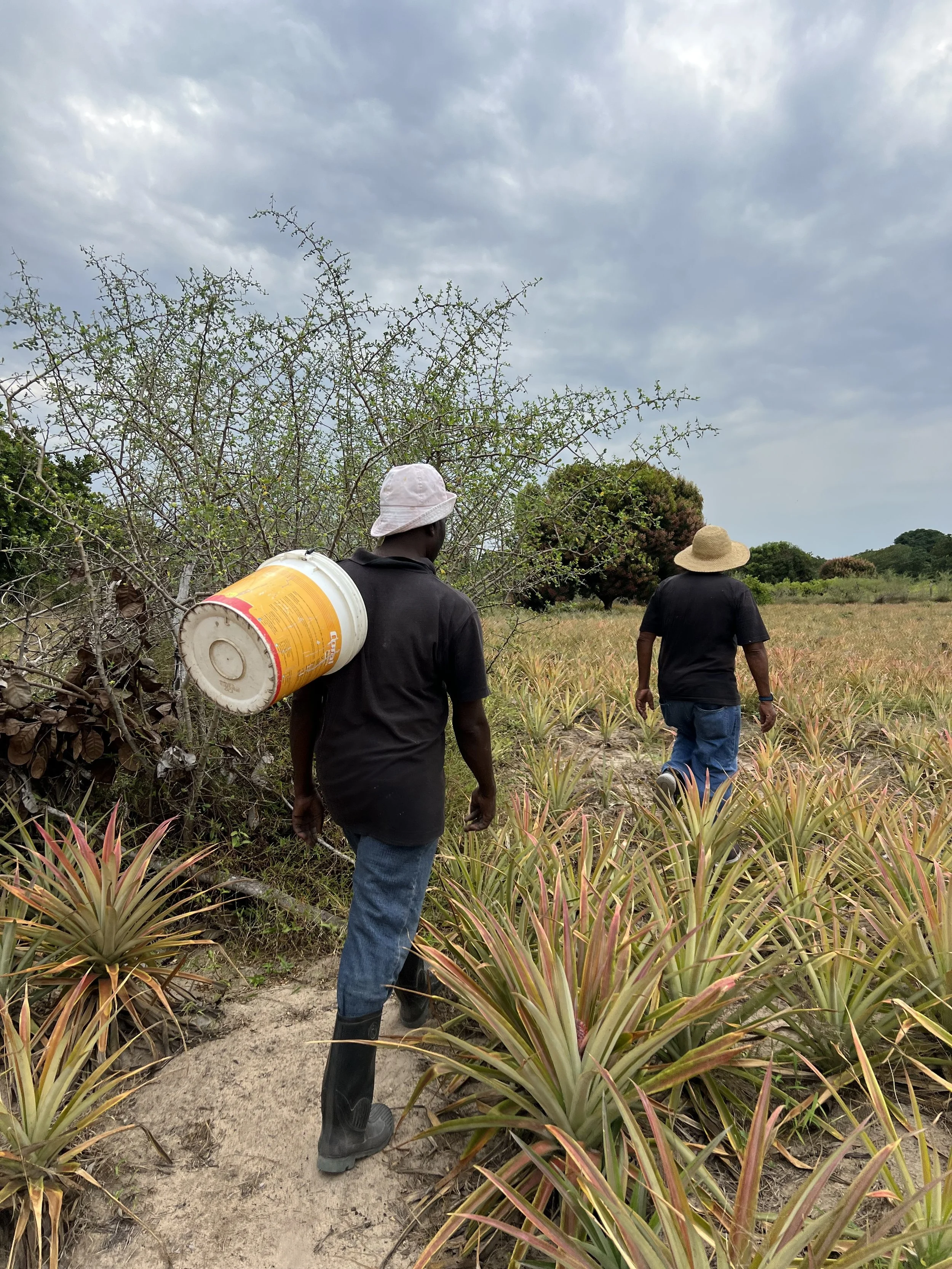
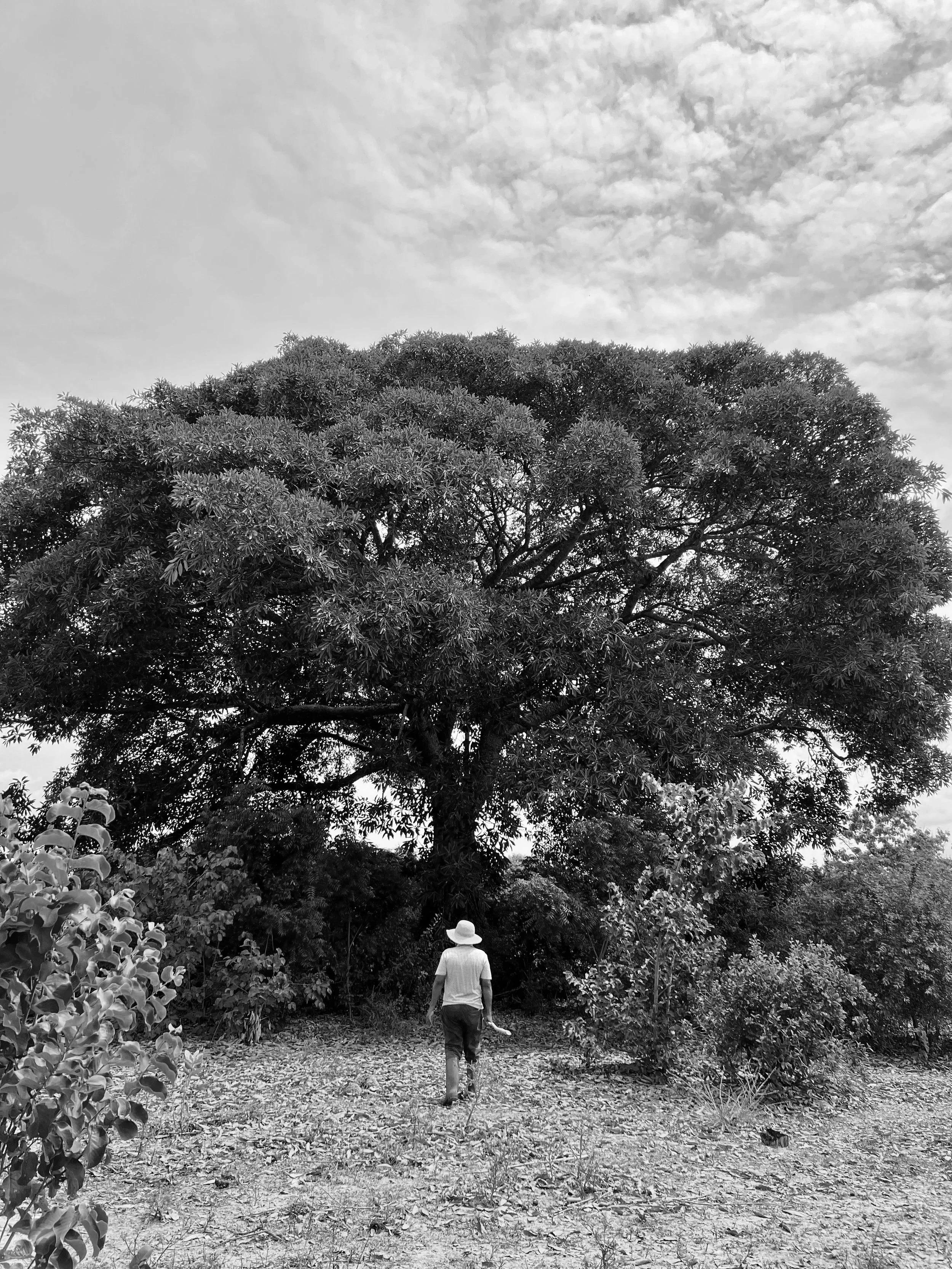
Bantu Vegan is a farm-to-shelf operation built on land in Bagamoyo and Dar es Salaam. The business grows what it can on its own farms, sources the remainder from a network of neighbouring growers, formulates and produces in small batches in Tanzania, and sells both domestically and internationally. Its products - soaps built around rice, shea butter, coconut, clove, kaolin clay - are attempts to bring into form what Tanzanian skin knowledge has accumulated over generations.
The Tanzanian preference for direct, unprocessed ingredients is not a market gap waiting to be filled by imported brands. It is a functioning aesthetic you could call it - people know what works on their skin in their climate, what smells right in their context, what a material should feel like before it has been stabilised for global distribution. Clean beauty circulates internationally as a set of absences, no sulphates, no parabens, no synthetic fragrance, yet it’s usually taken out of context where it came from, or who decided what it would become.
Most beauty brands that invoke African botanicals work outward: they take an ingredient, assess its chemistry, and determine what claim it can support within an existing product language. Bantu Vegan starts from the other end: a Tanzanian material culture that already has claims, already has applications, already has proof of concept - and makes the product itself.
Who Is Doing the Encoding
A clove soap made by someone who has lived with clove as a culinary and medicinal presence, on land adjacent to where the clove grows, within a sensory culture that has long understood its warmth and astringency as useful rather than merely fragrant - that object holistically carries a different kind of information than a clove-infused soap formulated in response to ingredient trend reports.
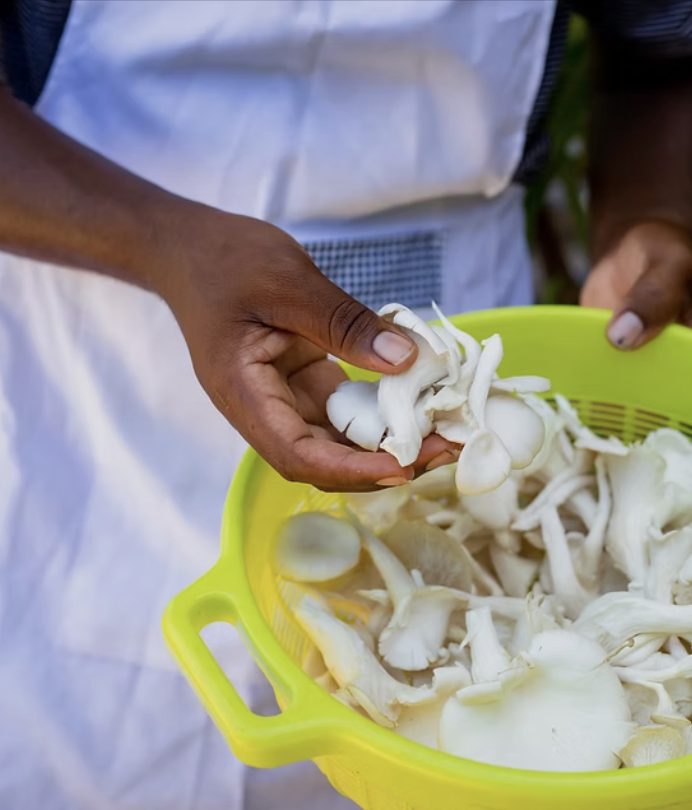
Yegela's mother, Zuhura, leads research and product development. She trains the team, oversees formulations, and holds the institutional memory of what the ingredients do. When she works with a batch of oyster mushrooms grown on the farm, or adjusts a soap formula for sensitive skin drawing on her own family's history with eczema, she is translating tacit knowledge - the kind that does not exist in a database - into a physical object.
This is domestic aesthetic intelligence in practice: expertise that is place-specific, body-specific, and accrued over time rather than acquired through R&D spend.
The Relational Economy
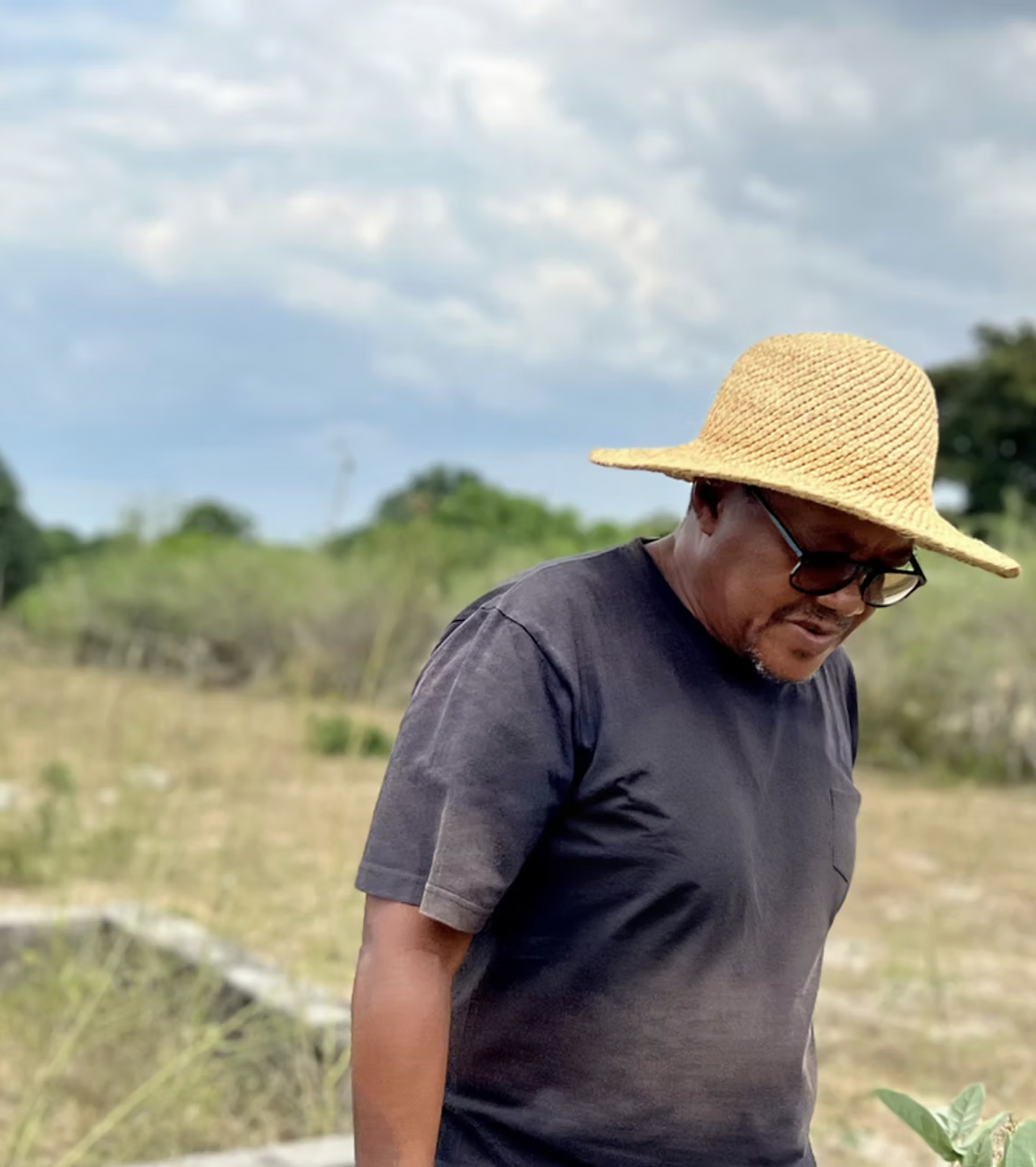
The argument for keeping authority in place extends past ingredients into the way the operation itself is organised. Bantu Vegan runs less like a company and more like an extended family because, in significant part, it is one. Yegela's father manages farm operations. Her mother formulates and trains. The broader team is drawn from the surrounding community: neighbours, family, people with skills that were never brought in through CV’s.
The management structure reflects this. Yegela studied at Dartmouth and is completing her MBA at London Business School: she knows both worlds and does her best to bridge them. She also navigates what Tanzanians themselves acknowledge as a loose relationship with time - two o'clock means sometime that afternoon, and that is fine until a customer on a different clock is waiting.
Yet when a delivery is late, she asks what happened. What is the hold-up, should I call the motorcycle courier, is there a production issue. She leads people she lives among, employs people she grew up with, and knows that directive authority would collapse the trust the entire operation depends on. She may have to remind someone three times. She will.
Running a business inside your own family is a delicate negotiation in any culture and I have witnessed in working with family owned: the moment the child becomes the boss, things can become complicated.
Here, the management works for the same reason the products work: the people doing it carry knowledge that cannot be replaced by someone with better credentials from elsewhere.
Yegela has repeatedly declined investor advice to hire more skilled labour (with proper CV’s). The skills are already there. What she builds around them is a structure that makes those skills legible and productive without requiring them to conform to an imported template of how a business should run.
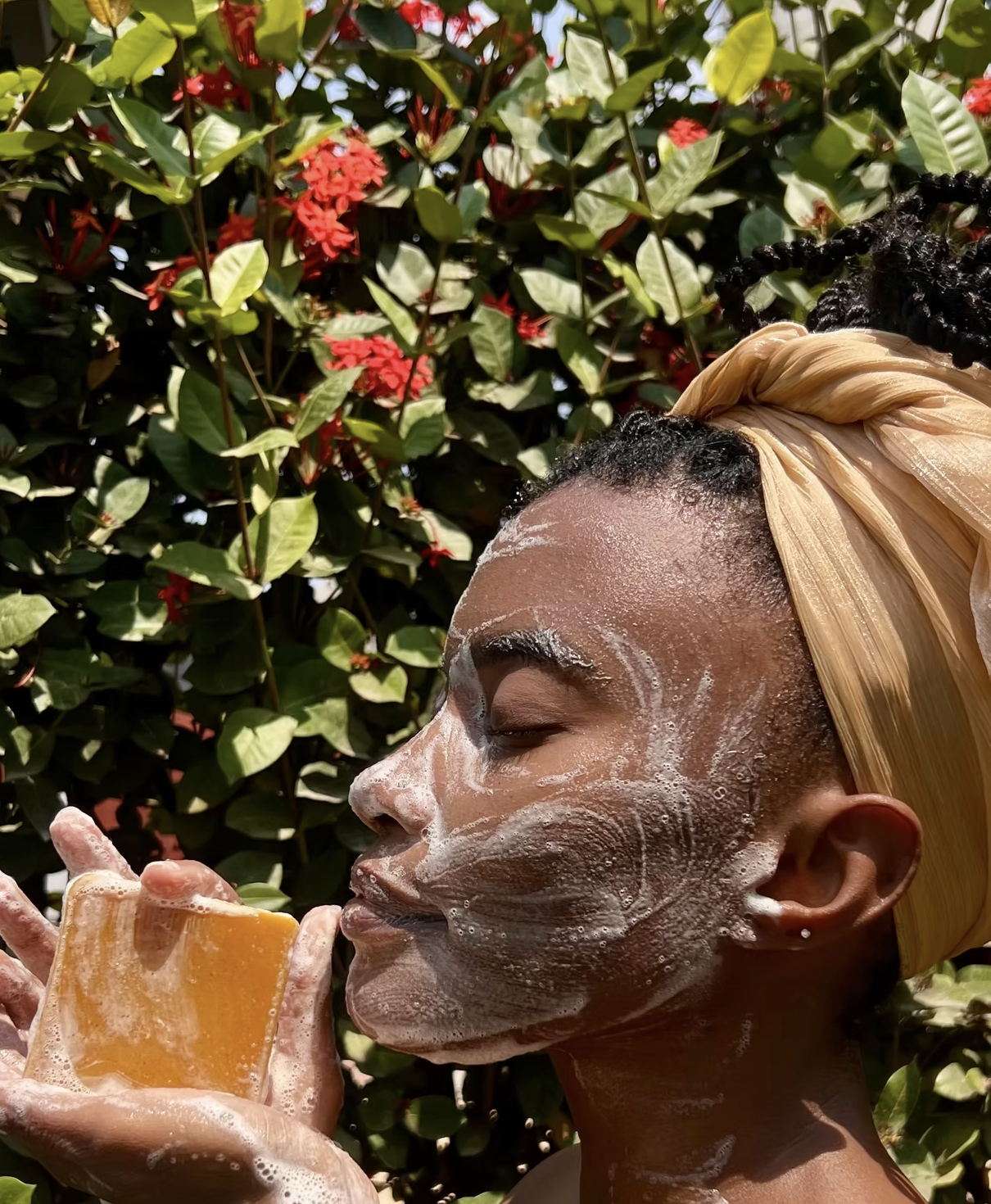
Customers receive this proximity directly. Yegela fields orders that double as consultations, i.e. a mother sends a photograph of a baby's rash, asks whether the soap can heal it. The answer can be specific, bounded, honest: we are not a medical provider; we do make soaps for sensitive skin, developed because my brother had eczema growing up; go to a clinic first.
The maker is also the advisor, operating inside the same knowledge system as the buyer. That continuity - from cultivation to formulation to sale to use - is truly holistic and it produces a different relationship to the product than any amount of brand storytelling can simulate.
A Failure of Infrastructure, Not of Culture
Tanzania remains largely invisible within global design and beauty discourse: most outsiders can name Kilimanjaro, safari, the Zanzibar coast, and little else. Yet the country has a strong tradition of craft and a material aesthetic specific to its coastal and interior regions. What it has lacked is the processing capacity, the brand-building apparatus, and the distribution reach that would allow any of that to travel. She mentions how Kenya does have a much better talent for PR.
Still, the hotel sector is beginning to register the shift. Properties like the Grand Meliá in Arusha with its demonstration garden, its partnership with a local nonprofit producing recycled glass objects and guests paying premium prices to walk through a working ecosystem, signal a change in market. It is forming around the proposition that knowing where something comes from, sensorially and materially, is itself a form of luxury. The colonial-aesthetic hotels built for foreign corporate clients are closing or converting. What replaces them tells a story.
Tanzania's tourism market is moving in the same direction. As the urban population grows, domestic travellers are seeking alternatives to the safari circuit and shift towards experiences rooted in culture, craft, land. Agritourism is growing faster here than most outside observers realise, fed by a hospitality instinct that is cultural before it is commercial. In Swahili, the phrase is: Mgeni ni mfalme - the guest is king.
Bantu Vegan is building into this. Day tours already run on the farm. A stay programme is in development. The first visitors were friends. content creators and collaborators who understood they were entering a working site, not a finished product. Twenty people doing five different things at once. The encounter was not curated away from that reality; the reality was the point. What they reported back the food, the process, the material knowledge they had not encountered before, generated new demand. The hospitality arm is the last loop in a model that now spans products, produce, and experience, built at a pace determined by what the land and the team can sustain.
Authority Staying
The question clean beauty could be asking is not only what an ingredient is free from. It is who decided what it would become, inside what knowledge system, for whose skin, in whose hands. Origin, understood that way, is an aesthetic position and a main part of storytelling, a declaration about who owns the knowledge and whose hands shaped the product.
Yegela is thirty-four and has already spent seven years proving something that most investors told her was impossible: that a complete beauty business, grown, formulated, sold, experienced, can be built and kept in Tanzania. The proof is on the shelf.
The farm stay is next.
She is not compromising on the product and that confidence is exactly what the next decade of women owned African enterprise will be built on.
words by Jean Linda Balke, photography Sabrina Yegela, Bantu Vegan