Designing for Wildness: James McBride and NIHI
I am a Central European with an atypical lifelong longing for freedom, wide spaces and wild nature. This has taken me all over the work but repeatedly to South Africa and Namibia, where I've observed how people relate to nature with a pragmatic openness to wildness. Not romantic, but necessary.
What draws me to South African James McBride's work is precisely what most hospitality avoids: the uncontrollable. I've come to believe that resorts like his Nihi Sumba represent something essential about hospitality's future.
Animals with their own rhythms. Geography that cannot be tamed. Freedom that cannot be programmed. These are rare elements in contemporary hospitality because they resist design, optimization, and guarantee. Yet they may be the only things that actually create transformation.
When I ask McBride what beauty, the topic we research, means to him, he answers immediately: "Geographical opulence."
What Cannot Be Designed
McBride didn't set out to revolutionize hospitality. He was president of The Carlyle of New York, ran Rosewood properties, later led YTL Hotels in Singapore. When Chris Burch called in 2012 about a small surf lodge for sale in Sumba, it seemed fortuitous. "I didn't go looking for it," McBride says.
The property was tiny, already operating, accessible only by weekly flight. You'd leave Thursday, return the following Thursday.
"It reminded me of Africa," he tells me. "It's very tribal, and Sumba is two and a half times bigger than Bali. It has its own religion, where you communicate with the dead through animal rituals. It's a brutal place, but extremely beautiful."
Most would calculate risk. McBride saw home. But he clarifies: "I'm American-educated and business-minded." Not romanticism, but as I understand it, African spatial instincts combined with American operational rigor.
By 2016, Nihi Sumba was number one in the world according to Travel + Leisure.
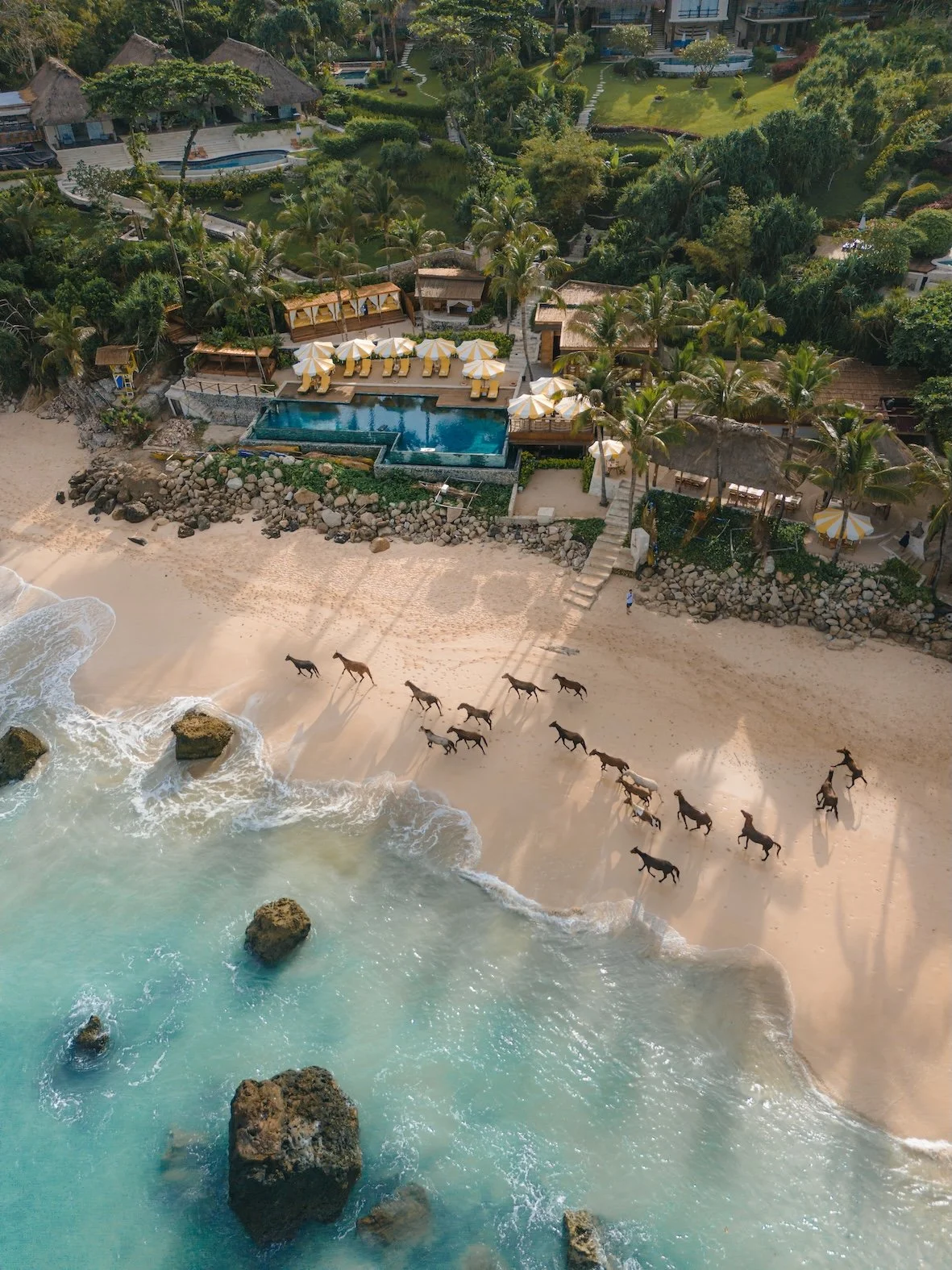
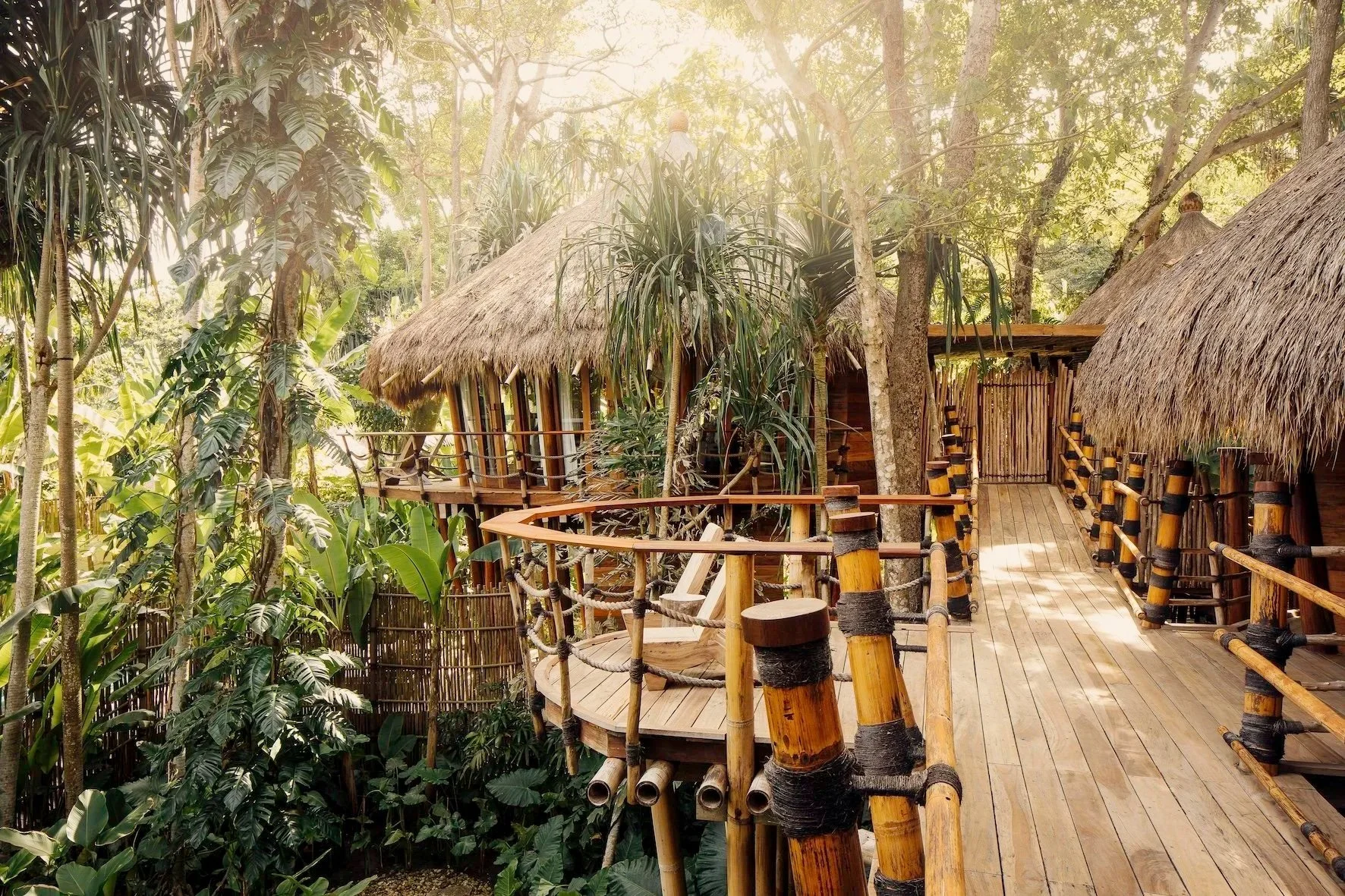
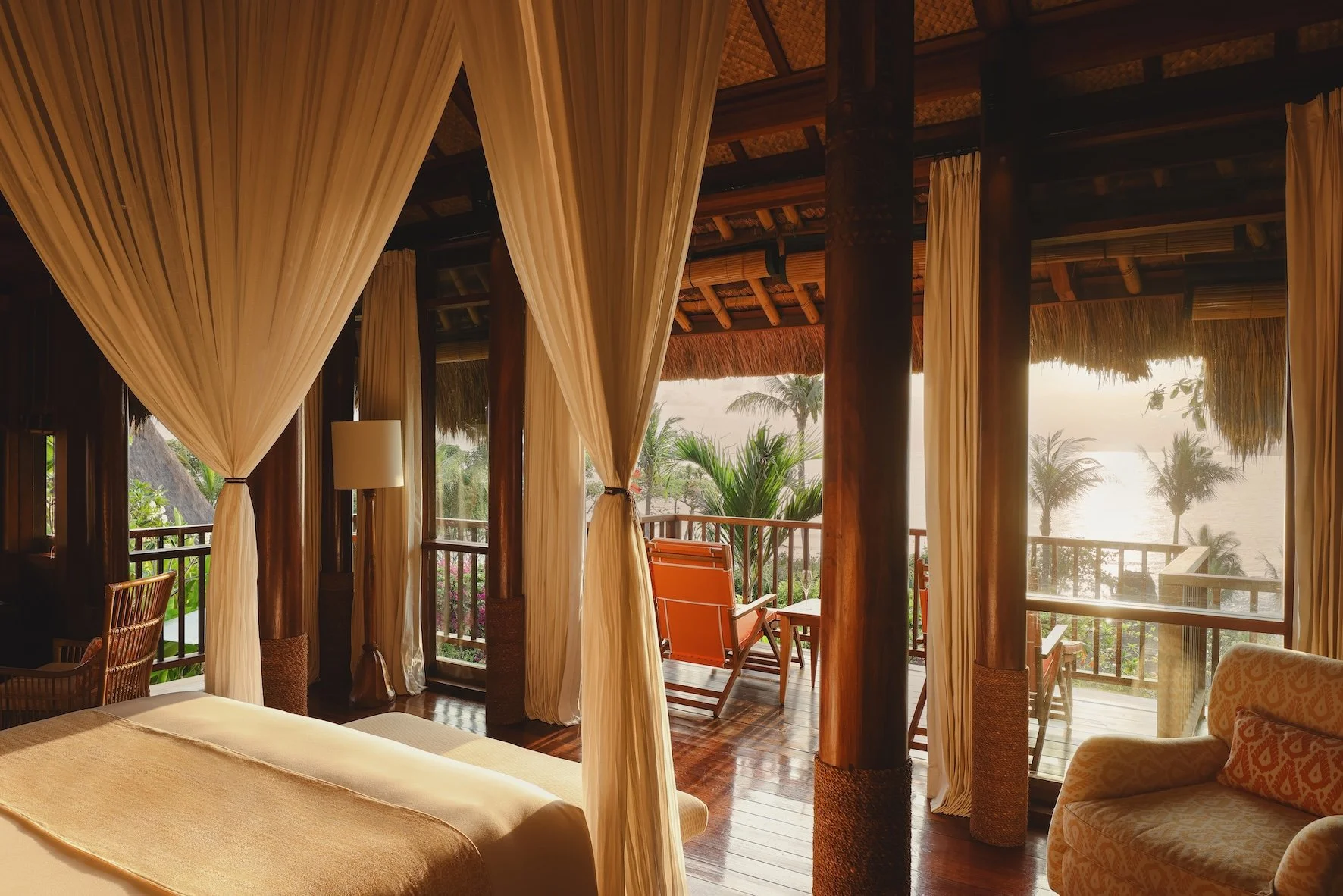
What he built there interests me because it cannot be replicated through conventional design thinking. The structures echo traditional Sumbanese houses: peaked roofs, rice stored above, animals below. From the sea, it appears as a village. But the real design move is what he leaves alone.
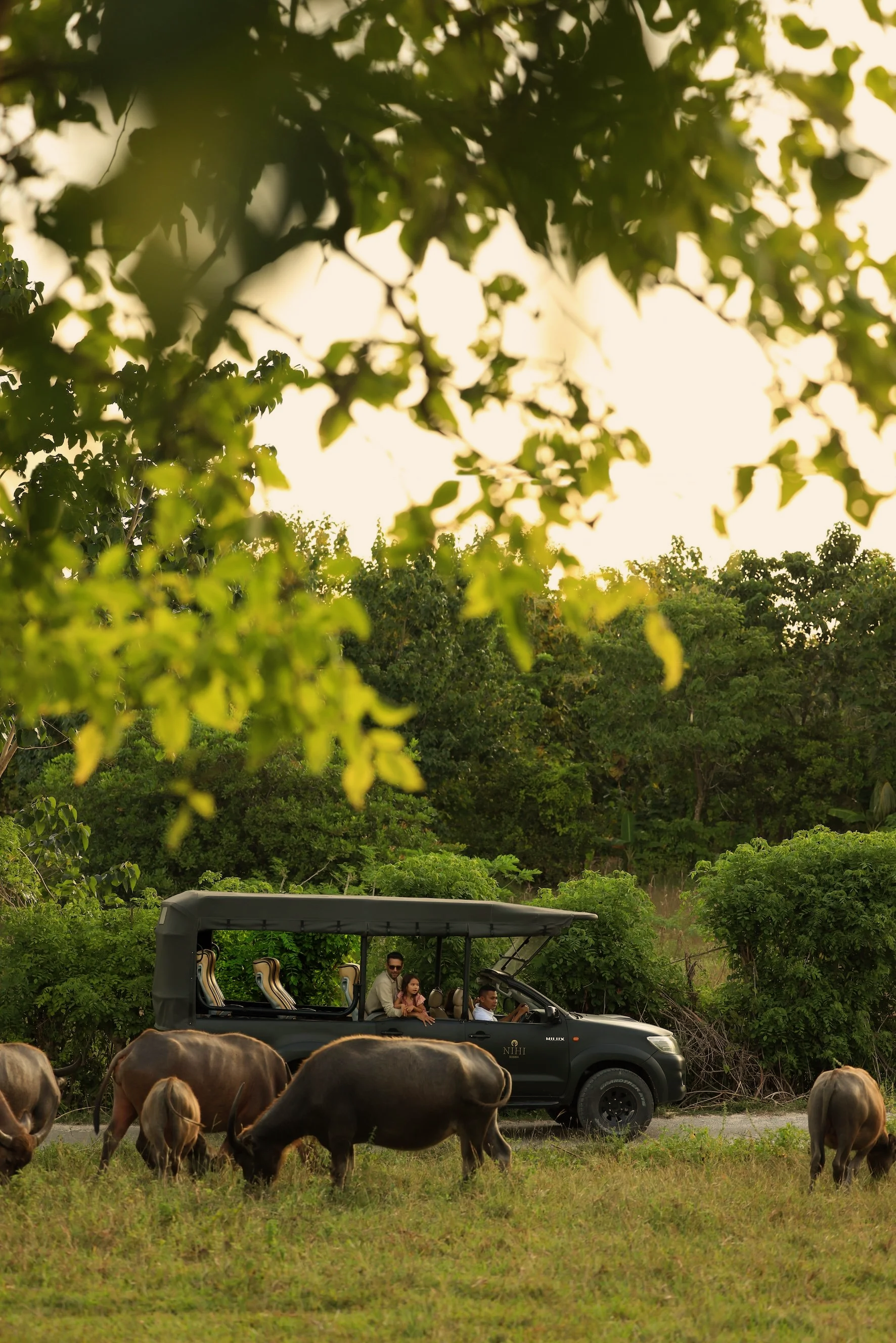
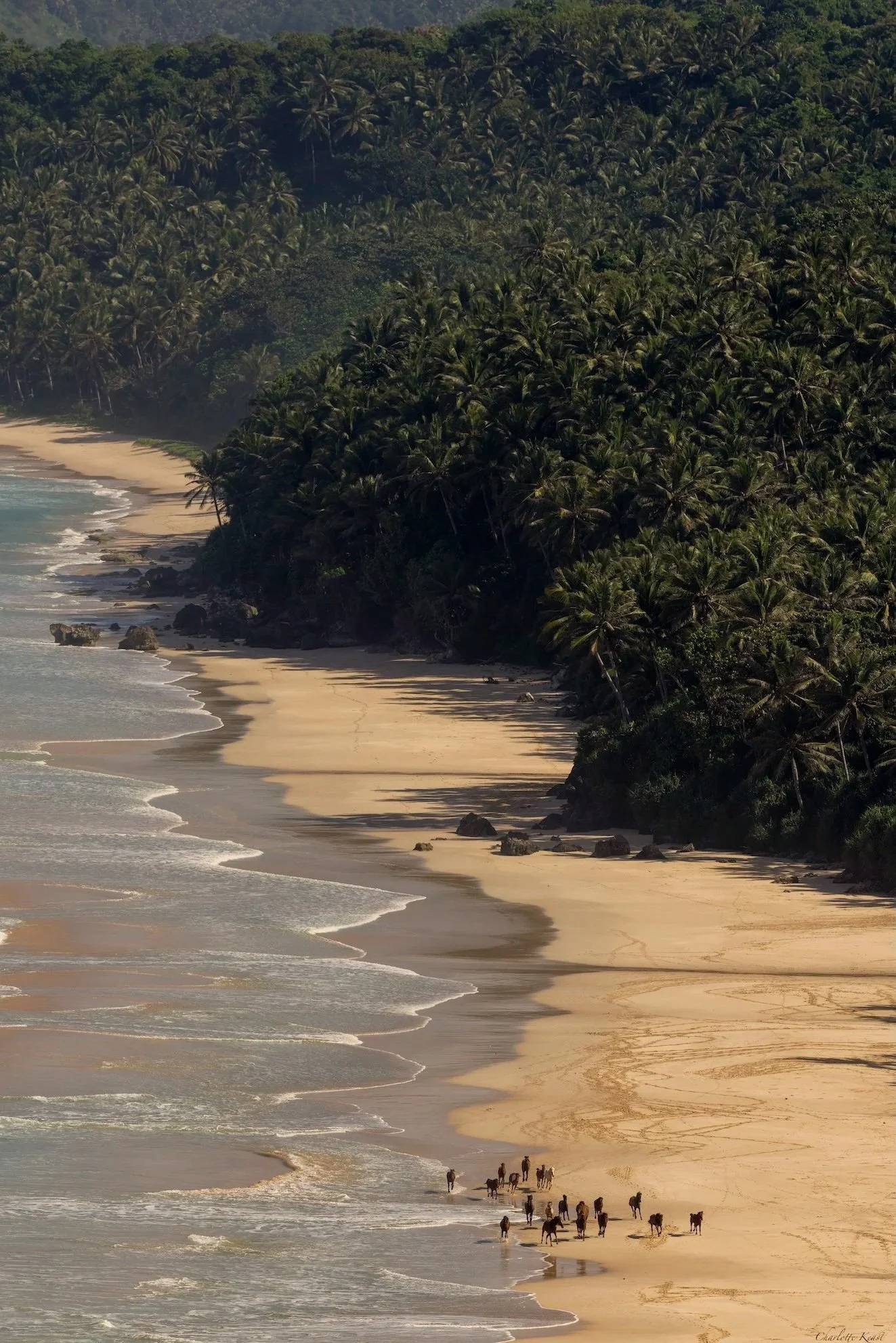
"A two-and-a-half-kilometer beach with no one on it, no rubbish," McBride says. "You might even share it with a buffalo or a horse being washed by its owner."
This is geographical opulence: the luxury of absence. He calls it "unregulated freedom." The interiors however are "comfortable but not opulent, appropriate for their purpose, luxurious but not excessive."
Most contemporary luxury hospitality operates on more: more amenities, more programming, more control. McBride works from the opposite premise. What happens when you remove control while intensifying presence?
The Animals That Won't Accommodate
McBride, a lifelong polo player, introduced horses a decade ago. The wife of their construction manager, a horse whisperer, helped develop the program. They bred some, bought others. Some have retired and live across the safari grounds now.
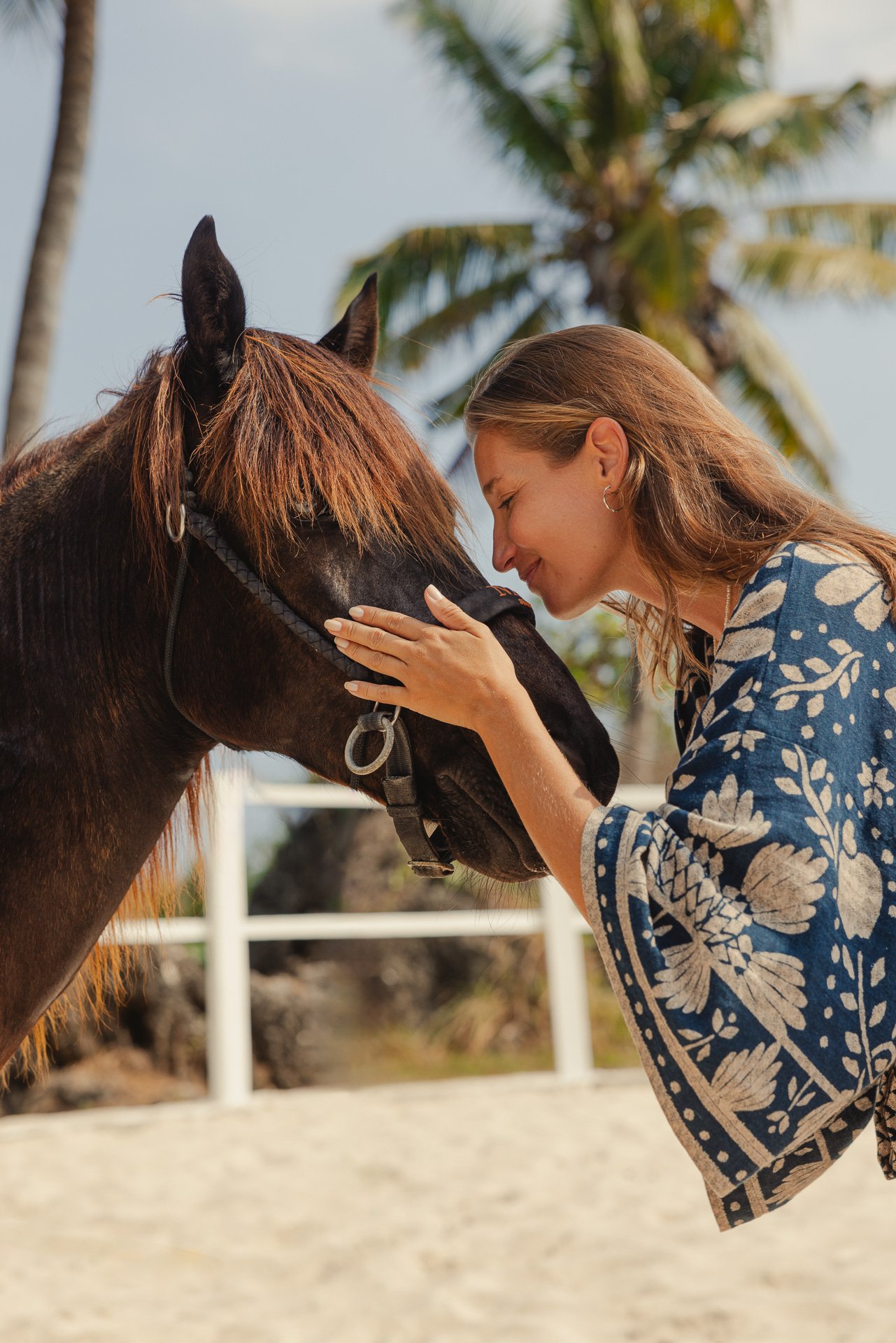
"The horses are part of the ecosystem, not an amenity," he explains.
This matters because animals demand what hospitality typically eliminates: friction. You slow down. You pay attention in real time. You cannot scroll your phone while genuinely engaging with a horse, the animal won't allow it. They have needs, rhythms, moods that guests must accommodate.
The guest adjusts to the animal, not the other way around.
Transformation happens in this inversion. Guests report profound emotional shifts. McBride reads me a recent message from a guest: "It changed my life and healed me more than I realized I needed. The staff are the most beautiful people I've ever met."
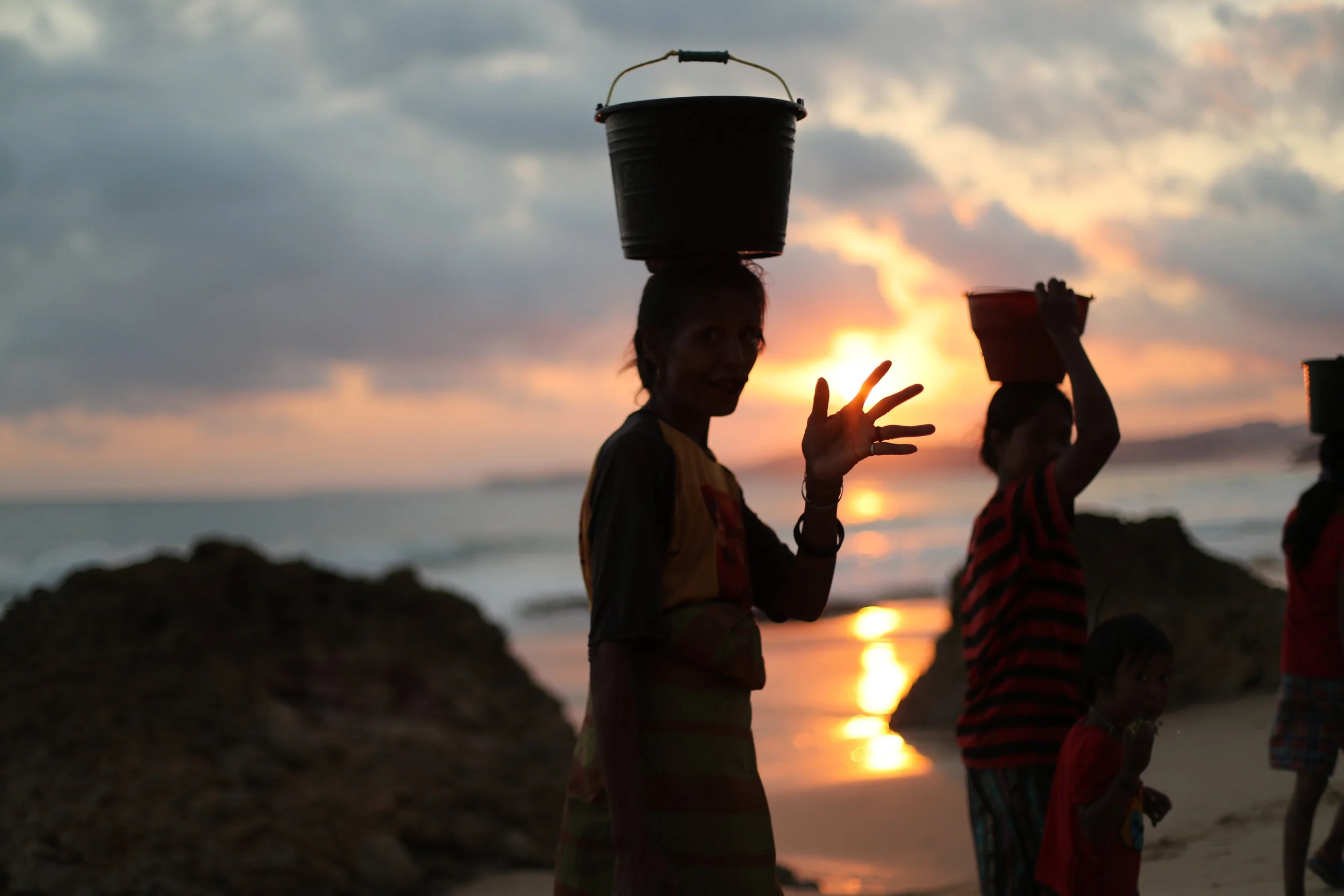
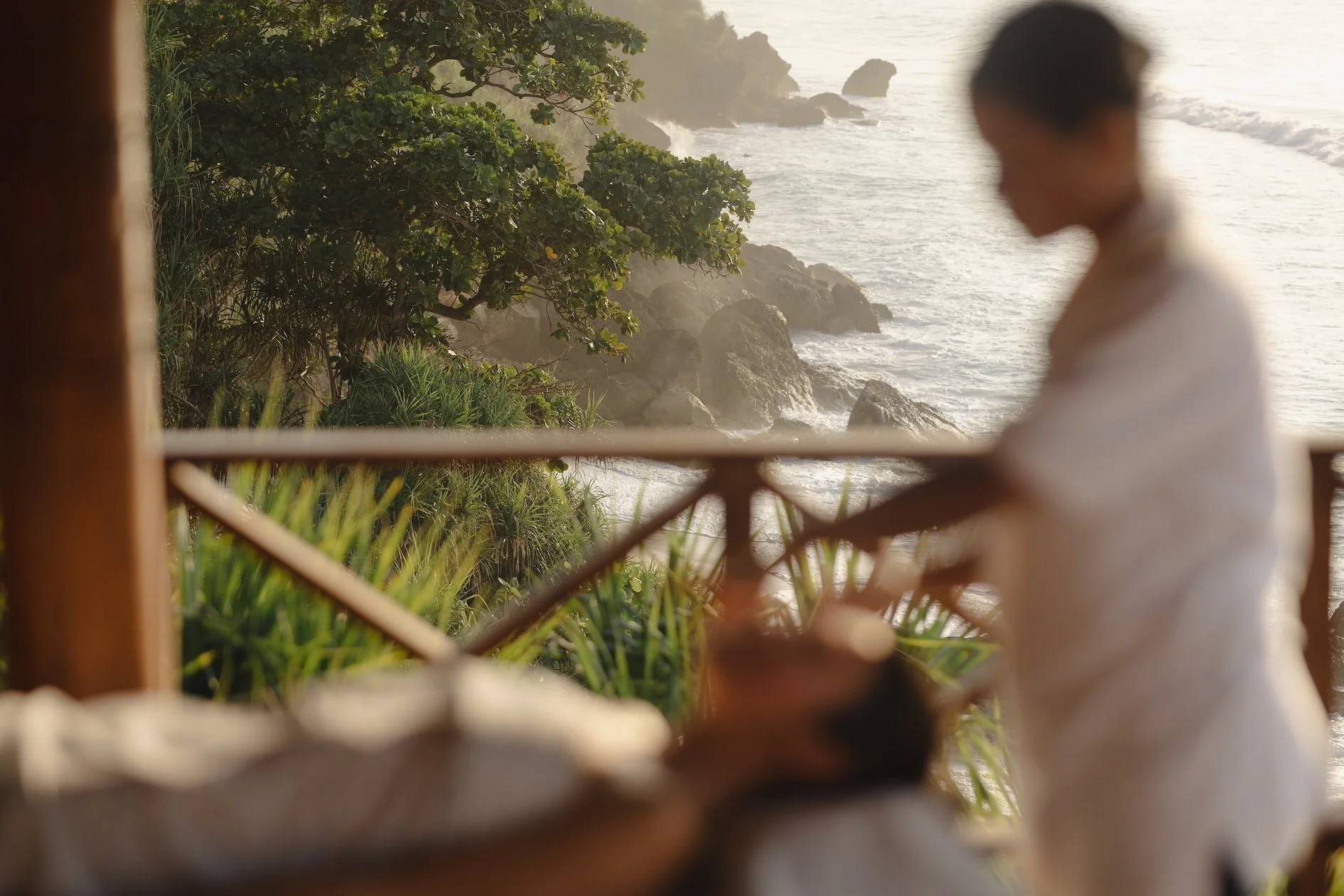
The Sumba Foundation operates similarly. Malaria eradication, English education, school feeding, water well construction. Mondays and Tuesdays, if guests want. Not philanthropy-as-amenity, but integration into actual community. The Sumba Seven oils, developed with Dr. Simon Jackson, transfer knowledge to locals. Wild Wellness: "Be Wild, Be Free, Be Well" - philosophical permission, not spa programming.
All of it resists the hospitality industry's instinct to control every variable, optimize every touchpoint, guarantee every outcome.
Pattern Recognition as Intelligence
What emerges from McBride's path is aesthetic intelligence applied across contexts. Before Nihi Sumba, he participated on Chinese travel app Zanadu, condiment brands, fine dining in Miami. Now he's sourcing fabric in Portugal and establishing an academy.
"I'm always discovering, always learning, and I never sit still. The key to life and why I have a global network is that I show up and make the effort."
Whether running the Carlisle or choosing fabric, the underlying questions don't change: What creates quality? What feels authentic? Where is the care?
Most people specialize to avoid these questions. McBride moves between industries to keep asking them.
His family's game farm is where the white lions of Timbavati were born - he saw them at ten. He's climbed Kilimanjaro, Mount Kenya, last year. But his professional focus has shifted to Indonesia: "relatively well governed, still largely unknown and peaceful."
Before COVID, projects in Colombia, Fiji, Costa Rica didn't materialize. He sees this as fortunate: "Depth over breadth. More in Sumba, not more Sumbas. It has become an extraordinary destination.
Why This Matters
Near the end of our conversation, McBride says something revealing:
"I also love fire, safari vehicles, and the breeze - really elements of nature that bring people together. They tie it all together."
You cannot personalize these. You cannot optimize them. They demand presence, create community through their nature, impose their own rhythm.
This is what contemporary hospitality has forgotten in its drive toward frictionless convenience and guaranteed satisfaction. We've designed out the very elements that create genuine transformation: unpredictability, accommodation to forces beyond ourselves, connection to something that doesn't care about our comfort.
Geographical opulence is not about owning a beach. It's about what that emptiness gives room to: the buffalo washing in the ocean, the horse moving through space, the person reduced to a figure against horizon. The luxury is in what cannot be controlled.
I believe resorts like Nihi Sumba represent hospitality's future not because they're exotic or remote, but because they give us back something real and essential we're losing. Not romantic connection to nature, but something more primal: the experience of adjusting ourselves to forces larger than our preferences. Of slowing to animal time. Of occupying space that doesn't constantly accommodate us.
This is what unregulated freedom actually means. Not chaos, but permission to encounter what cannot be designed, life in its essence.
words by Jean Linda Balke, photography Nihi Sumba, Tanveer Badal, Gabriel Ulung, Charlotte Keast, Josep Serveto