Creative Confidence: How the Gulf is Rewriting the Rules

Is the most dynamic creative and aesthetic lab in the world right now a European capital; or is it taking shape across the Gulf, driven by a powerful mix of ambition, resources, and cultural confidence?
There is a momentum to this emerging market - a willingness to build, to experiment, and to declare ambitious futures - that feels harder to find in established Western creative cultures. For those of us focused on aesthetic intelligence, this openness to collaboration and the appetite for expertise is not just exciting; it represents a rare opportunity to help shape a visual culture in real time.
This doesn't mean looking away from complexity. The region carries contradictions, of course, some of them serious, and well-documented elsewhere. My own focus is on creative practice: how aesthetics form, how visual cultures evolve, how notions of beauty are shaped and reshaped. That is the lens I bring, and the territory I'm qualified to explore.
My work over the past two decades has focused on aesthetic intelligence across design, luxuryy fashion and hospitality contexts. Recently, that inquiry has turned toward the Gulf - mainly through conversations with photographers, designers, and creative directors who work there every day. Their experiences unsettle nearly every assumption the Western creative world holds about the region.
The Gulf is not mimicking the West. It is building an aesthetic language in real time, pulling influences from everywhere, combining them with an understanding for its own culture and negotiating a relationship to aspiration that sits at odds with Western habits of restraint.
The Logic of Adornment
Start where judgment often begins: beauty culture. The Western eye sees Gulf makeup and registers excess, the dramatic eyes, the contouring, the precision of it. The critique follows quickly: too much, trying too hard.
But this misses the cultural logic. In contexts where the body is often covered - by choice, tradition, or law - expression condenses. The face becomes the site of identity, creativity, and communication. What registers as excess in Berlin or Copenhagen is intensity by necessity in Riyadh or Dubai.
And these codes are not static. Creatives who have worked in the region for a decade describe a shift: the once-obligatory false lashes for editorial work are no longer assumed. The aesthetic is moving toward something more natural, more textured. Visual cultures evolve, and younger generations are in active dialogue with what they want to project.
Aspiration as Method
When it comes to vision and approach, Western creative culture guards against overreach. You don't announce what you can't deliver. You keep projects quiet until they are secure.
The Gulf works differently. A mood board arrives filled with Chanel and Dior campaign stills. The actual resources - location, talent, budget - don’t always match. A Western producer sees this as irrational - why create a moodboard that’s not “realistic”?
But aspiration here functions as method and reference is direction. You won't reach the target, but aiming high shifts where you land and can get you closer to the vision.
In places like Dubai this creates a creative culture that is both volatile and energising. Flexibility is assumed. Briefs change on the day. Additional deliverables appear. Timelines stretch. For those who need structure, it can be destabilising. For those who thrive in emergence, it's liberating.
You see this in the hospitality pipeline. Projects are announced early, sometimes years before conditions ensure feasibility. In Europe, this would be reputational risk. In the Gulf, the declaration is part of building momentum. You name the future into being.
The Complexity of Women's Space
Western narratives about women in the Gulf often condense into a single storyline: restriction, limitation, the veil as symbol. The lived reality, as described by women working creatively in the region, is more layered.
On a photoshoot, when subjects are Muslim and modesty is observed, the presence of men reshapes what's possible. A female photographer and production team shifts the dynamic entirely, not because men lack skill. But their presence requires accommodations that their absence removes: women-only spaces become enabling infrastructure, liberating, easier to move around.
This extends beyond production. Dedicated women's sections, services, and environments can read as segregation from afar. On the ground, they can function as spaces of autonomy, privacy, and ease, a configuration often missed by Western feminist frameworks. I am one, and yet when I experienced women only spaces it was strangely comforting.
But, none of this denies real constraints where they exist. And the region is not uniform: what is required in Dubai differs from Doha differs from Riyadh. But the Western reading that sees only restriction misses how women carve out and inhabit spaces of agency within cultural frameworks that are not European.
The Counter-Movement
For attracting talent, it seems a not so quiet shift is underway. The long-standing reflex to only look West to import sophistication, reference European campaigns, gauge success against external approval is loosening. Cultural confidence is rising.
There is renewed interest in local traditions, regional aesthetics, and visual heritage. Some of this relates to geopolitical change; some to generational turnover; some to the sheer maturity of a creative ecosystem that no longer wants to perform secondhand sophistication.
This is visible across disciplines: editorial work, brand campaigns, product design, and hospitality. The audience is increasingly regional. The references are grounded in local narratives or drawn from traditions that do not measure themselves against Europe.
Two Models of Making
The implications for luxury are substantial. The European codes - understatement, restraint, minimalism - are cultural values, not universal truths. Other markets are defining luxury differently.
And no market is writing this more deliberately than Saudi Arabia. The scale of investment is extraordinary. Hundreds of billions directed toward cultural infrastructure, tourism, and creative industries. Vision 2030 is a wholesale remaking of what the country wants to be and how it wants to be seen. The resources flowing into film, art, hospitality, and heritage development dwarf what most Western cultural institutions can imagine.
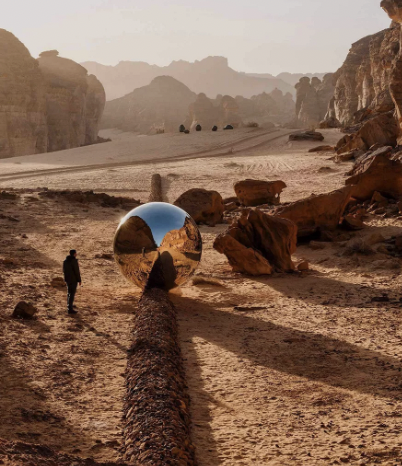
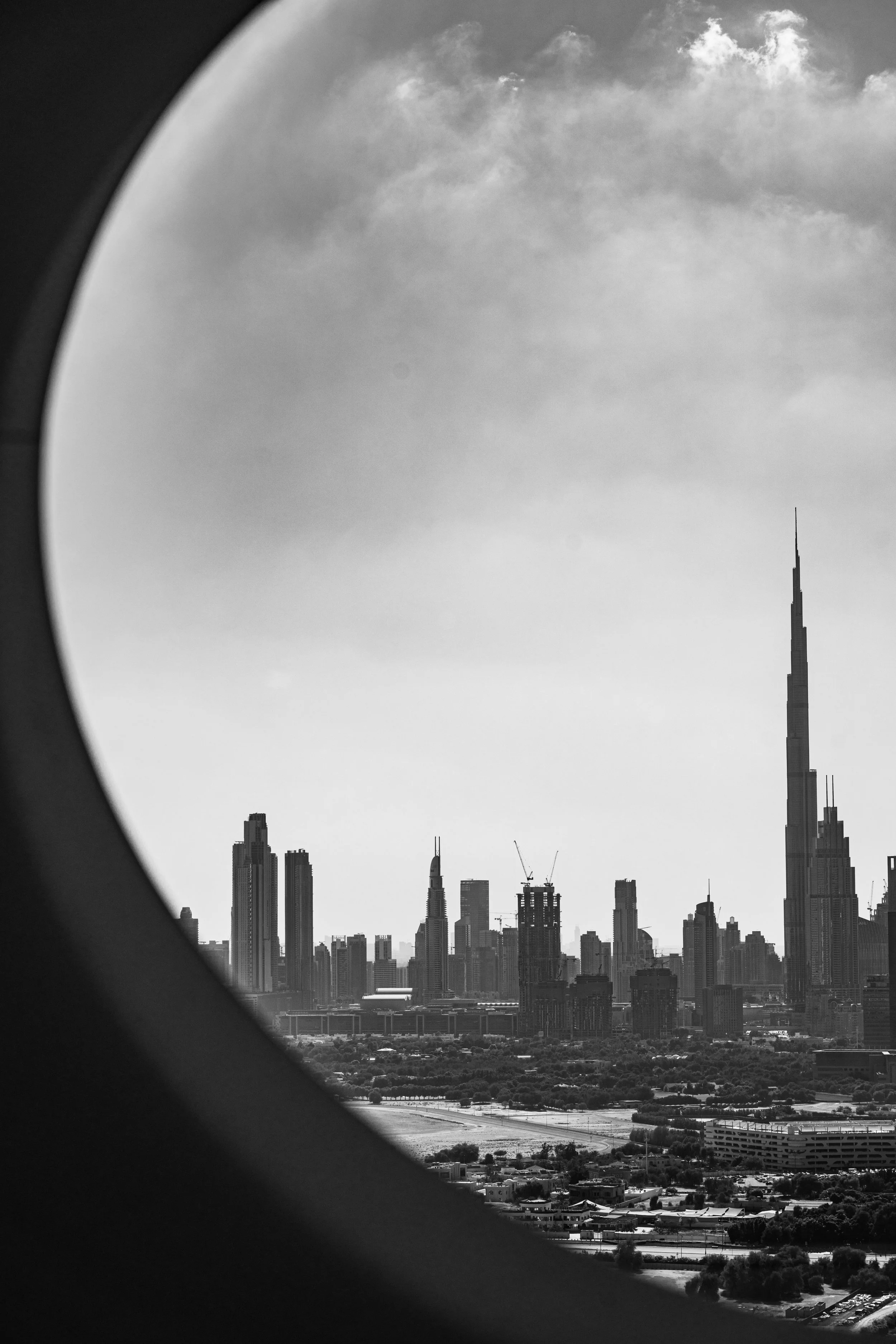
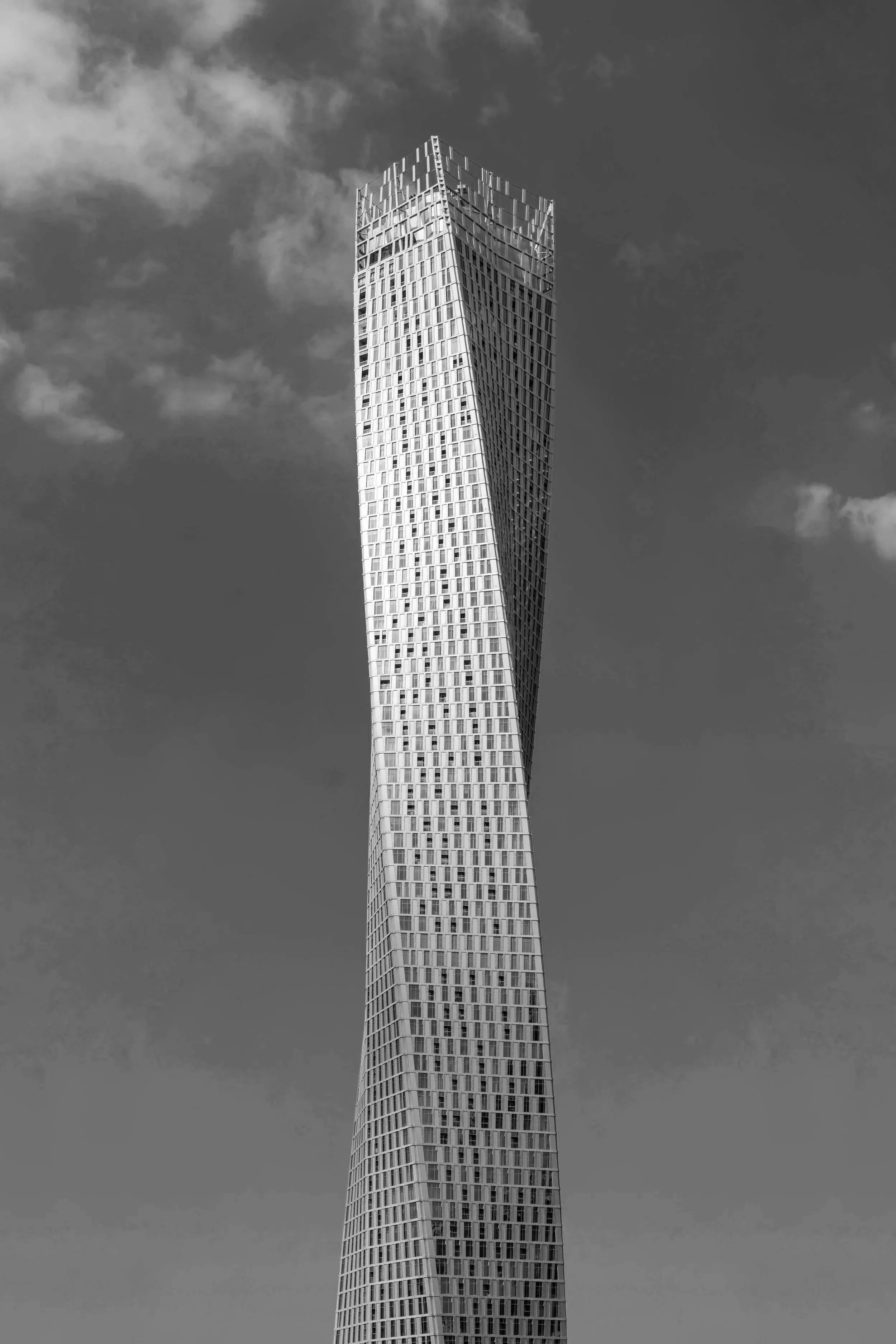
The Gulf contains two dominant models. One is the built-from-scratch futurism associated with Dubai: spectacle as ambition, architecture as declaration. The other is the heritage-led approach now emerging in Saudi Arabia. Places like AIUIa, where cultural development stems from archaeology, landscape, and long memory rather than erasing the past to make room for the new.
Both approaches are valid. Both are interesting. And both challenge Western assumptions that authenticity requires age, or that culture cannot be consciously constructed.
What Comes Next
The dismissal of Gulf aesthetics as artificial or excessive reveals more about the observer than the region itself. It assumes Western visual codes are neutral, that minimalism is sophistication, that inherited beauty is the only legitimate kind.
What is happening in the Gulf is far more dynamic: the construction of an aesthetic language that is neither derivative nor defensive, shaped by collision, ambition, constraint, and extraordinary pace.
This is the first in what I intend to be an ongoing inquiry. The conversations that informed this piece opened doors I want to walk through. The aesthetics emerging from this region won't look like what came before and maybe they shouldn't. The only question is whether we have the range to see it, and whether those of us investigating aesthetic intelligence are willing to do the work of looking properly.
words by Jean Linda Balke